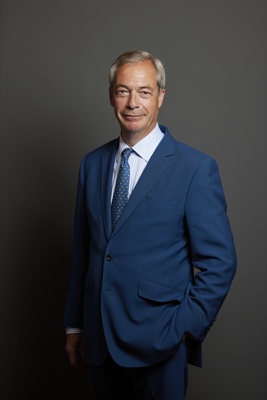
Nigel Farage's defining story as an MP is absence. His 32% voting participation — among the lowest in the Commons, where the average sits around 60-70% — drew sustained national press coverage in mid-2025, with outlets reporting he had mentioned Clacton only four times in parliamentary speeches, missed key debates, and took nine foreign trips during sitting days. His Cameo account — through which he recorded personalised video messages, some for individuals with criminal convictions or extremist associations — generated further negative coverage in early 2026 and was subsequently paused. Across 262 news articles in the past 90 days, coverage of his MP performance averaged a strongly negative sentiment score.
When Farage does vote, he votes with Reform UK 100% of the time — there have been no rebel votes. His recent votes sit firmly in opposition to Labour's programme: against the Finance Bill, against tuition fee rises, against the Representation of the People Bill (which would extend voting rights to 16-year-olds), and against granting the Fair Work Agency surveillance powers. He backed Conservative amendments protecting agricultural inheritance tax relief and indexing farm subsidy thresholds to inflation — consistent with his speeches, which cluster around the economy, defence, and immigration. His 68 contributions across 40 debates place him well below the Commons norm for a party leader.
Two deviations from his own party's average stand out: he votes more favourably on Lords reform (+63 percentage points above the Reform UK average) and criminal justice reform (+51 points). He sits on no select committees, which limits his ability to influence legislation outside the chamber. Beyond Vote's data covers his full term since July 2024; the low vote count across several stance categories means some percentages should be read cautiously.