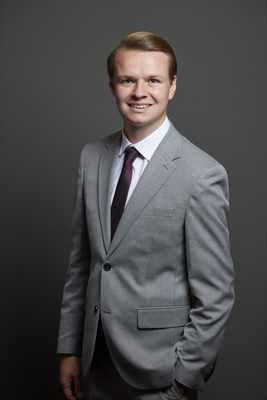
A steady opposition voice rather than a rebel, Reynolds has voted with the Liberal Democrats on every recorded vote since entering Parliament in 2024 — 100% party alignment with no departures. His most visible recent action outside the chamber was pressing for CEO accountability over hotel safety failures in Maidenhead, where he announced a direct meeting with the Travelodge chief executive and called for the company to face Parliamentary Select Committee scrutiny. In the chamber, his recent votes reflect a consistent pattern: supporting Lords amendments to the National Security Bill, backing the end of the automatic academy presumption for new schools, and opposing planning regulations he regards as bypassing local democratic oversight.
Reynolds participates in 63% of votes — below the Commons average, which typically sits around 70--75% — though his 189 contributions across 126 debates suggest he is more active in debate than his voting rate implies. His speeches cluster heavily around the economy, fiscal policy, local government and health. His stance profile shows strong alignment with parliamentary scrutiny (85%), Lords oversight (100%) and welfare (83%), while sitting well outside his party's centre of gravity on fiscal responsibility (11% aligned) and taxation (17%). He deviates from his Lib Dem colleagues most notably on assisted dying, backing access more strongly than his party average, and on benefit cuts, opposing them more consistently.
Reynolds sits on the Business and Trade Committee and its sub-committee covering economic security and arms export controls — roles that help explain the defence and economy thread running through his speeches. He inherited a seat held for 27 years by Theresa May, whose local reputation set a high bar; his early news coverage suggests active constituency engagement, particularly on the hotel safety story. Insufficient recent news data limits a fuller assessment of current local sentiment.