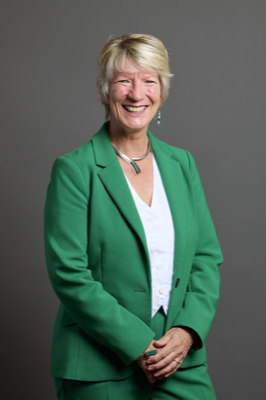
South Cambridgeshire's MP has made environmental protection her most visible cause since entering Parliament. Pippa Heylings introduced a ten-minute bill in February 2026 to protect chalk streams — rare waterways concentrated in her constituency — and has separately condemned Anglian Water for "repeated failings" on pollution, earning positive local press coverage. She also called for a government price cap on heating oil, a direct response to constituents in rural areas off the gas grid. Her one rebel vote came in June 2025, when she backed a new clause on devolution during the assisted dying bill's report stage, breaking with the Liberal Democrat majority on a conscience issue.
At 58% voting participation, she votes less often than the Commons average — though new MPs with active constituency casework often show this pattern. When she does vote, she is a 99.7% party-line MP. Her stance profile places her well above the party average on local democracy (+14 percentage points) and fiscal transparency (+13pp), and she is notably more sceptical of welfare reform than her colleagues (0% aligned, versus 21% for the party). Her 233 speech contributions span energy, environment, economy, and cost-of-living — consistent with her public campaigning — and she voted against the Railways Bill at third reading, citing concerns about Great British Railways acting as both operator and access gatekeeper.
Her news coverage has been consistently positive on environmental and constituency issues, with chalk stream protection and water company accountability the dominant themes. She holds no committee seat, which limits formal scrutiny leverage, though her speech volume suggests active chamber engagement. Recent news data (47 articles in 90 days) skews toward local government and health with near-neutral sentiment, suggesting steady rather than high-profile coverage.