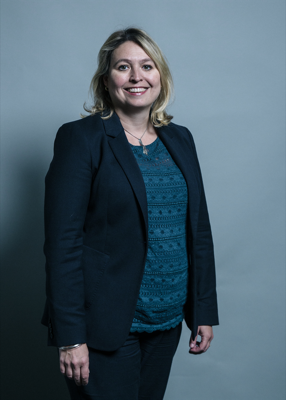
Chairing the Home Affairs Committee, Karen Bradley has been one of the more visible Conservative backbenchers in recent months — most notably over the grooming gangs inquiry. In March 2026, she wrote directly to the Home Secretary and challenged government ministers publicly after evidence emerged that material relevant to the inquiry may have been lost or destroyed following a Home Office blunder. She has also spoken out against proposals to merge Staffordshire Moorlands with Stoke-on-Trent, and helped reopen a local post office in Biddulph Moor after lobbying Post Office leadership and ministers. On the National Security (State Threats) Bill, she voted this month against restricting debate time and supported amendments designed to preserve judicial oversight — consistent with her above-party-average civil liberties scores.
Her voting record is a study in contrasts: 100% party-line alignment when she does vote, but a participation rate of 49% — well below the Commons average. When she does engage, her stances are orthodox Conservative on tax, public ownership, and workers' rights, but she sits notably to the right of her party on assisted dying restrictions and to the left on criminal justice reform. Her 97 parliamentary contributions span crime (42 debates), local government (26), and immigration (18), reflecting both her committee role and constituency priorities.
Bradley's Home Affairs Committee chair underpins much of her public profile — her most prominent media coverage links directly to that oversight work. News sentiment over the past 90 days is largely neutral across transport and crime stories, with meaningfully positive scores only where her own performance is the subject. She has no rebel votes on record. Data on her earlier parliamentary career is available but her current profile is shaped almost entirely by committee activity rather than rebellion or distinctive floor votes.