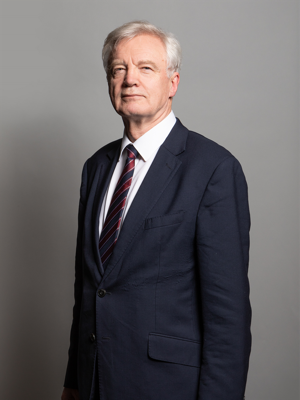
One of the most recognisable figures on the Conservative backbenches, David Davis has spent recent months at the centre of a significant controversy over the Lucy Letby case. He wrote to the Director of Public Prosecutions calling for a review of police and CPS conduct, comparing procedural failures to the Sally Clark case and publishing lists of documentation he wants released. Cheshire Constabulary hit back, accusing him of misleading Parliament and denying his core allegations — a charge Davis contests. Separately, he has broken with the majority of Conservative MPs on assisted dying, voting for the Terminally Ill Adults (End of Life) Bill at both Second and Third Reading, making him one of a minority of Tories to back the legislation throughout its Commons passage.
Davis votes with his party around 98% of the time, but his participation rate of 48% — well below the Commons average — means he is selective about which battles he engages in. When he does vote, his record shows strong alignment with parliamentary and Lords scrutiny, civil liberties, and business interests. He voted against the government's planning delegation regulations and the rollback of the academy presumption, and opposed both carbon budget orders in June 2026. His speech activity is concentrated on defence, crime, and economy — with 42 defence contributions standing out as a clear specilaist preoccupation.
Davis holds no committee positions, which limits formal oversight roles, though his speech output across 104 debates suggests he compensates through chamber engagement. His civil liberties score runs nearly 30 percentage points above the Conservative party average, and he sits markedly higher than his colleagues on assisted dying access. The Lucy Letby intervention remains live and contested; how it resolves may define much of his recent parliamentary legacy.